
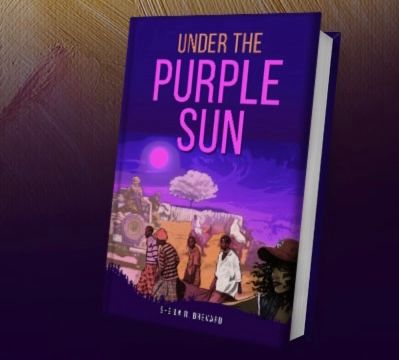
My novel Under the Purple Sun was recently reviewed by a student. Their analysis of the book’s concepts and their relevance to everyday life was captivating. Utilizing the narrative of the resilient protagonist Fathi, their piece delves into the challenges and benefits of doing acts of kindness for the benefit of others.
Many individuals search for means of understanding the issues influencing assistance operations worldwide in order to collaborate with international organizations like the United Nations (UN). I read books on what it’s truly like to assist many individuals, including those from the United Nations or foreign assistance organizations, because I’m curious. Sheila Brevard’s recent novel Under the Purple Sun really drew me in. This fictitious, realistic narrative of the moral dilemmas and physical hazards help workers encounter is very moving.
The narrative, which takes place in the invented nation of Remijiado, centers on someone always seeking justice among political plans and personal sacrifices. As a rescue worker, the main character, Fathi, must negotiate the hazardous seas of governmental corruption and societal catastrophes. Though they appear to be made up, her exploits are based on the actual issues that support workers in war-torn African and beyond countries.
Fathi’s narrative focuses on two aspects of help: the hazards involved and the liberties that can follow. Her life is a crash course in the moral conundrums assistance workers encounter, from the urge to help to the hazards of political engagement to the fallout from stepping out against injustice. Similarly, Fathi balances assisting people with becoming a target for the nations she wishes to assist, just like actual relief workers do.
The book’s chapter on Fathi’s discovery of government officials in Remijiado discussing dishonesty is particularly fascinating. In this instance, Fathi decides what to do, even if it means jeopardizing her own safety. She acts because she loves the individuals she employs. This selection mirrors the courage of actual leaders such as physician Dr. Denis Mukwege, a human rights campaigner who received the Nobel Peace Prize. Though he was forced into political exile and faced death threats for speaking the truth in conflict areas, like Fathi, Dr. Mukwege never wavered in his will to do his duties.
The book doesn’t hold back when it discusses the unanticipated results of charitable activity. Like the issues true foreign assistance organizations deal with, Fathi’s efforts in Remijiado result in both desired development and unintended reliance among the local population. In real life, aid activities in the Democratic Republic of the Congo and Haiti after the earthquake destroyed local administration and rendered the nations more long-dependent on international assistance.
The political situation in Remijiado highlights the unpredictable circumstances many charity workers must cope with. For instance, foreign relief organizations had to cope with government restrictions placed on them during the 2000s Zimbabwean crisis. This demonstrated how hard it is to respect national power while also helping others. Similarly, Fathi’s acts also upset Remijiado’s political equilibrium and infuriated government authorities, which resulted in her being expelled. Yet, her sense of commitment propels her back, thereby proving the bravery required to continue helping others in the face of enormous risk.
The narrative raises significant moral issues about the direction of relief missions. How may charitable endeavors empower individuals without rendering them dependent? Where can aid workers strike a compromise between their need to be safe in politically dangerous regions and their duty to help? These concerns are relevant not just in fiction but also in real life, where assistance workers must exercise caution not to unintentionally create difficulties or engage in political activity.
Under the Purple Sun is a study of the tenacity, courage, and mental power workers need—not just a novel. Sheila Brevard reveals to us the hidden heroes of overseas aid—the ones who walk great distances to provide hope and assistance to the most underprivileged—through Fathi’s narrative. This mirrors the challenges faced by real-life humanitarian workers, reminding readers of how difficult charitable work is and how many sacrifices are required. It helps the book make people value those who commit their lives to improving the world.
Though Fathi is a fictional character, her narrative is based on actual occurrences, which enables us to appreciate the significance and sometimes risk involved in the job of rescue personnel. Under the Purple Sun is therefore a monument to the daily heroes who labor hard to assist people all around and an interesting narrative.